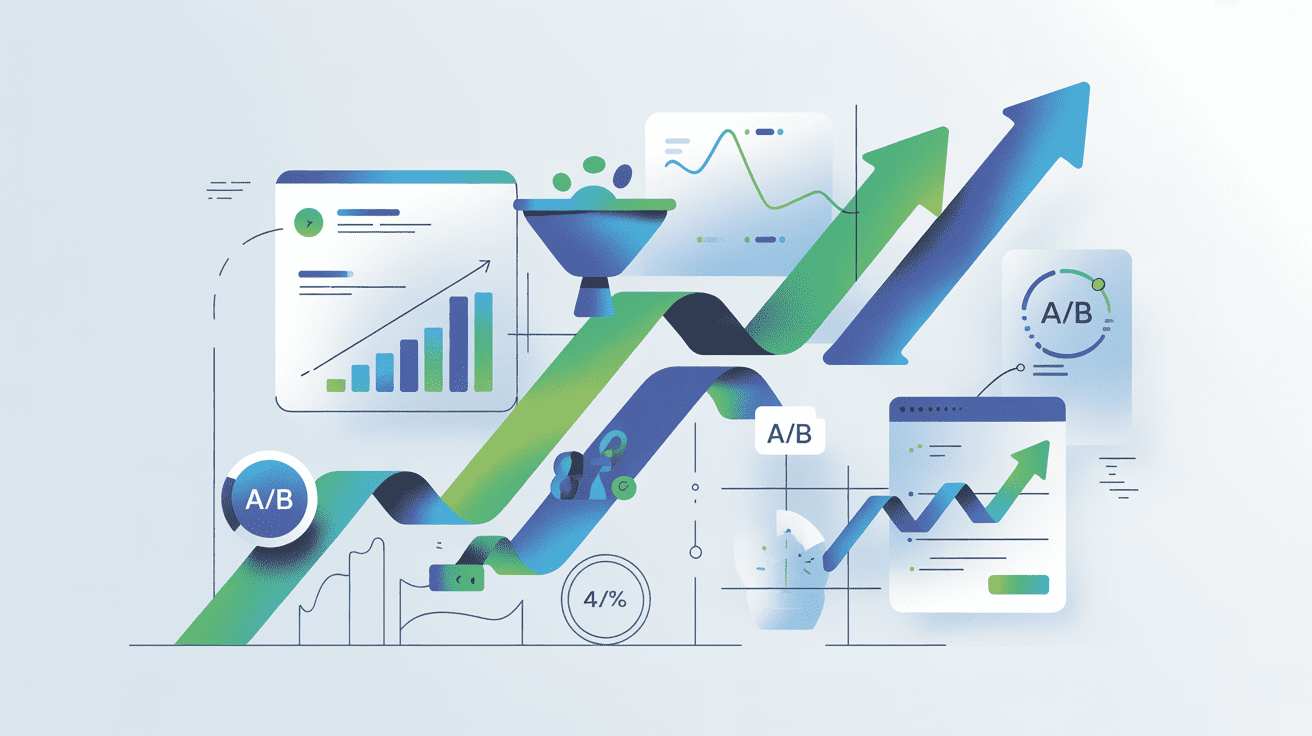
Challenge 9: Content Optimization for Higher Conversions
Creating a blog post is only half the battle. To make your blog profitable, your content needs to go beyond basic SEO and focus on converting readers into customers.
While SEO is essential for bringing traffic to your blog, it’s not enough to simply rank in search engines.
Once visitors land on your page, the real work begins. You need to engage them, guide them through your content, and strategically place calls to action (CTAs) that drive conversions.
Whether you’re looking to generate affiliate sales, grow your email list, or sell a product, optimizing your content for readability, engagement, and monetization is key.




This is where ChatGPT becomes invaluable. It can analyze your existing posts, suggest improvements, and even craft engaging CTAs designed to convert.
From refining your content’s structure and flow to optimizing meta descriptions and image alt tags, ChatGPT helps ensure every aspect of your blog post works toward your monetization goals.
Step 1: Improve Readability for Engagement
One of the biggest reasons blog readers leave a page without converting is poor readability.
Long paragraphs, overly complex language, and confusing layouts can discourage readers from staying engaged with your content.
Simplifying your writing and improving the structure of your posts makes it easier for readers to follow along, increasing the likelihood they’ll take action.
Using ChatGPT to Simplify Content: ChatGPT can analyze your blog post and rewrite sections to improve clarity and readability.
It can break long paragraphs into shorter ones, suggest bullet points or subheadings, and rephrase sentences to make them more concise.
Example Prompt: “This blog post on ‘Best Budget-Friendly Survival Gear’ feels too dense. Can you rewrite it for better readability while keeping it engaging?”
ChatGPT Output (Example):
- Original: “When preparing for emergencies, it’s essential to choose gear that’s both affordable and reliable, as this ensures you’re ready for any situation without spending a fortune on unnecessary items.”
- Rewritten: “Preparing for emergencies doesn’t have to break the bank. Choose affordable, reliable gear that keeps you ready for anything.”
How This Helps: Clear, concise content keeps readers engaged.
When they’re not overwhelmed by complex sentences or walls of text, they’re more likely to stay on your page, read until the end, and respond to your CTAs.
Step 2: Craft Engaging Calls to Action (CTAs)
A strong CTA is what transforms a reader into a customer, subscriber, or affiliate clicker.
Without clear, compelling CTAs, even the most well-written blog post can fail to convert. Your CTAs should be specific, actionable, and strategically placed throughout your content.
Using ChatGPT to Write CTAs: ChatGPT can generate engaging CTAs tailored to your content and monetization goals.
Whether you’re promoting an affiliate product, encouraging an email opt-in, or selling a digital product, ChatGPT can help craft CTAs that resonate with your audience.
Example Prompt: “Write three CTAs for a blog post about ‘Top 10 Emergency Supplies Every Family Needs.’ One should encourage affiliate clicks, one should promote an email opt-in, and one should sell a digital product.”
ChatGPT Output (Example):
- Affiliate Link: “Get peace of mind with these top-rated emergency kits. Click here to find the best deals!”
- Email Opt-In: “Download our free checklist of must-have emergency supplies to keep your family safe. Sign up now!”
- Digital Product: “Take your preparedness to the next level. Buy our comprehensive emergency planning guide today!”
How This Helps: Well-placed, engaging CTAs encourage readers to take immediate action, increasing conversions and boosting revenue.
Step 3: Enhance Engagement Through Better Formatting
The way your content is presented affects how readers interact with it.
Posts that are broken up with subheadings, bullet points, and visuals are easier to read and more engaging than dense blocks of text.
Visual and structural elements also guide readers toward key points and CTAs.
Using ChatGPT to Suggest Formatting Improvements: ChatGPT can analyze your blog post and recommend formatting changes to improve engagement.
Example Prompt: “How can I improve the formatting of this blog post about ‘Survival Tips for Beginners’ to make it more engaging?”
ChatGPT Output (Example):
- Add clear subheadings for each tip (e.g., “Tip #1: Start With the Basics”).
- Break up long paragraphs into shorter, digestible chunks.
- Use bullet points for lists (e.g., essential gear items).
- Include a bolded takeaway at the end of each section to reinforce key points.
How This Helps: Engaging formatting encourages readers to stay on the page longer, increasing the chances they’ll respond to CTAs and convert.
Step 4: Optimize Meta Descriptions for Click-Through Rates
Your meta description is often the first impression a potential reader gets of your blog post.
It’s the short snippet that appears in search engine results, and its job is to entice people to click.
A well-written meta description includes a compelling summary of the post and a clear call to action.
Using ChatGPT to Write Meta Descriptions: ChatGPT can create concise, engaging meta descriptions that improve your click-through rates (CTR).
Example Prompt: “Write an SEO-friendly meta description for a blog post titled ‘Top 10 Emergency Supplies Every Family Needs.’”
ChatGPT Output (Example): “Prepare your family for any emergency with this must-have list of essential supplies. Learn how to stay safe without breaking the bank. Read more now!”
How This Helps: A higher CTR brings more traffic to your site, giving your content more opportunities to convert visitors into paying customers.
Step 5: Optimize Image Alt Tags for SEO and Accessibility
Image alt tags aren’t just for accessibility—they’re also an important SEO factor.
Alt tags describe the content of an image, helping search engines understand how it relates to your post.
Optimized alt tags can improve your rankings and drive more traffic to your blog.
Using ChatGPT to Write Alt Tags: ChatGPT can generate descriptive, keyword-rich alt tags for your blog images.
Example Prompt: “Suggest alt tags for images in a blog post about ‘Top 10 Emergency Supplies Every Family Needs.’”
ChatGPT Output (Example):
- “Portable emergency water filter for disaster preparedness”
- “First aid kit essentials for family safety”
- “Compact flashlight with extra batteries for emergencies”
How This Helps: Optimized alt tags improve SEO, making your content more visible in image searches and driving additional traffic.
Step 6: Use ChatGPT to Refine Tone and Voice
The tone and voice of your content play a significant role in engaging readers. If your tone feels too formal or impersonal, readers may lose interest.
ChatGPT can help you adjust the tone of your content to match your audience’s preferences.
Example Prompt: “Rewrite this paragraph to sound more conversational and engaging: ‘Preparing for emergencies is important for every family. This blog post will discuss essential supplies you should have on hand.’”
ChatGPT Output (Example): “Are you ready for the unexpected? Let’s talk about the essential supplies every family needs to stay safe and prepared.”
How This Helps: A more conversational tone makes your content feel approachable and relatable, increasing reader trust and engagement.
Step 7: Measure and Adjust for Maximum Conversions
Content optimization doesn’t stop once a post is published. Use analytics tools to monitor metrics like time on page, bounce rate, and conversion rates.
Then, use ChatGPT to brainstorm improvements based on your data.
Using ChatGPT for Post-Publication Adjustments: ChatGPT can analyze feedback and suggest changes to improve underperforming posts.
Example Prompt: “My post on ‘Top 10 Emergency Supplies’ is getting traffic but low conversions. How can I improve it?”
ChatGPT Output (Example):
- Add a stronger CTA earlier in the post to capture readers before they leave.
- Include testimonials or user reviews for recommended products.
- Add a comparison table to help readers make purchasing decisions.
- Revamp the introduction to highlight the urgency of being prepared.
How This Helps: Continually refining your content ensures it remains effective at driving conversions over time.
Content optimization is about more than ranking well in search engines. It’s about creating an engaging experience for readers that guides them toward taking action.
By using ChatGPT to refine your content’s readability, enhance engagement, and craft monetization-focused CTAs, you can transform your blog into a highly effective revenue generator.
With consistent optimization, every post becomes a step closer to higher conversions and greater profitability.