
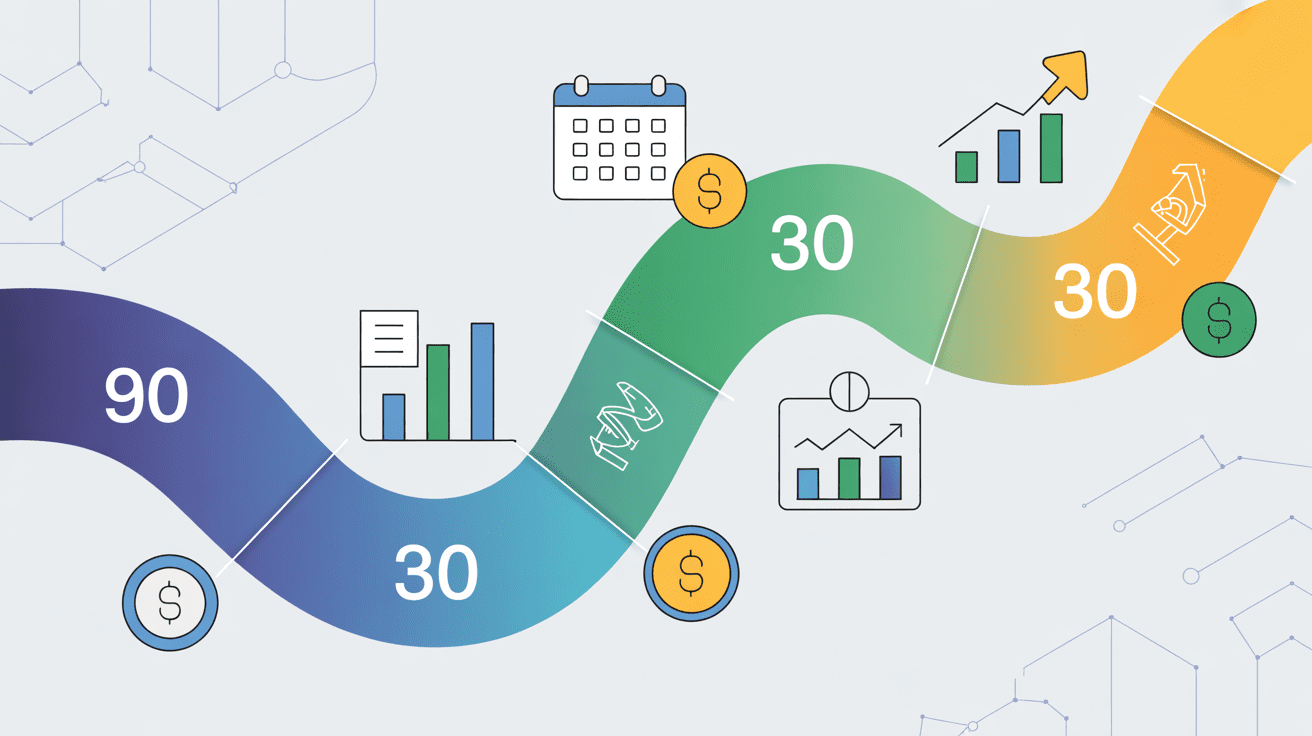
Challenge 6: The 90-Day Content Calendar to Profits
A blog without a content calendar is like a business without a plan.
You may have great ideas, but without structure and strategy, those ideas rarely translate into consistent traffic or revenue.
Too many bloggers take a reactive approach to content creation, writing posts on the fly or chasing random trends without considering how each piece contributes to their larger goals.
This lack of planning can leave your blog scattered, your audience confused, and your monetization efforts stalled.




A 90-day content calendar solves this problem by giving you a roadmap for creating purposeful, profitable content.
It ensures every post is part of a cohesive strategy that drives traffic, engages readers, and builds toward your monetization goals.
With ChatGPT, building a content calendar becomes faster, smarter, and more effective.
This tool can help you identify high-potential keywords, uncover trending topics, and plan your posts in a way that maximizes both engagement and profit.
Here’s how to create a 90-day content calendar with ChatGPT that aligns your content with your goals, optimizes for search engines, and positions your blog to generate steady income.
Step 1: Start With Your Goals
The first step to building a profitable content calendar is understanding what you want to achieve.
Are you focused on increasing traffic, growing your email list, selling a product, or driving affiliate sales? Each goal requires a different type of content and approach.
For instance, if your goal is to grow your email list, you’ll want to create lead-magnet-style posts with opt-ins, such as free checklists, eBooks, or exclusive content.
If affiliate sales are your priority, product review posts, comparison guides, and resource roundups will be more effective.
ChatGPT can help you clarify these goals and align them with your content strategy.
Example Prompt: “I want to create a 90-day content calendar for a survival blog. My goal is to increase affiliate sales of survival gear. What types of posts should I focus on to achieve this?”
ChatGPT Response (Example):
- Product roundups (e.g., “10 Must-Have Tools for Emergency Preparedness”)
- Tutorials (e.g., “How to Build an Emergency Kit for Less Than $100”)
- Comparison guides (e.g., “Best Water Filters for Preppers: A Comprehensive Review”)
- Informational posts with affiliate opportunities (e.g., “The Importance of Multi-Tool Knives and How to Choose One”)
This starting point ensures that every post in your calendar serves your profit-focused goals.
Step 2: Identify High-Potential Keywords
Keywords are the foundation of any profitable blog post.
High-potential keywords are those that attract traffic from your target audience and align with your monetization strategy.
ChatGPT can simplify keyword research by generating a list of relevant terms and phrases that you can target in your posts.
Example Prompt: “Generate a list of high-potential keywords for a survival blog targeting beginner preppers. Focus on low-competition, long-tail keywords.”
ChatGPT Output (Example):
- “Budget-friendly survival gear for beginners”
- “How to store water for emergencies”
- “Best survival food kits under $50”
- “Prepping for families: where to start”
- “Survival tips for urban apartment dwellers”
By prioritizing these types of keywords in your content calendar, you can attract an audience that’s more likely to convert into paying customers.
Step 3: Brainstorm Trending Topics
In addition to evergreen content, your blog needs timely posts that capture current interest and trends in your niche.
ChatGPT can help you uncover these trending topics by analyzing recent developments or popular questions.
Example Prompt: “What are some trending topics in the survival niche for this year?”
ChatGPT Output (Example):
- “Preparing for power outages: What you need to know”
- “Best solar-powered gadgets for emergencies”
- “How to survive extreme weather events: Tips for beginners”
- “Off-grid cooking solutions for modern preppers”
- “Top survival challenges faced by new preppers”
These trending topics not only attract traffic but also create opportunities to promote affiliate products, courses, or digital downloads that align with your monetization goals.
Step 4: Organize Your Content Into a 90-Day Plan
Once you’ve identified your goals, keywords, and topics, it’s time to organize them into a 90-day content calendar.
This ensures your publishing schedule is consistent and strategic, keeping your audience engaged while steadily building momentum toward your goals.
How to Structure Your Calendar:
- Weeks 1–4: Focus on foundational content. These posts should establish your authority, target high-potential keywords, and introduce your audience to your monetization opportunities.
- Example: “Beginner’s Guide to Prepping: Essential Supplies for Under $200”
- Weeks 5–8: Mix in trending topics and lead-magnet posts. Use these posts to capitalize on current interest and grow your email list.
- Example: “How to Prepare for Power Outages: Top 5 Tips”
- Weeks 9–12: Create deeper, conversion-focused content. These posts should drive traffic to specific monetization efforts like affiliate products or your own digital offers.
- Example: “Best Bug-Out Bags for Every Budget: A Detailed Comparison”
ChatGPT can assist with creating this structure by providing an outline for each post and suggesting how to balance evergreen and timely content.
Example Prompt: “Help me organize a 90-day content calendar for a survival blog that balances evergreen and trending topics. Include specific post ideas.”
ChatGPT Output (Example):
- Week 1: “The Top 5 Survival Tools Every Beginner Needs”
- Week 2: “How to Start Prepping on a Tight Budget”
- Week 3: “The Ultimate Water Storage Guide for Preppers”
- Week 4: “Best Multi-Tools Reviewed: Which One Is Right for You?”
- Week 5: “Off-Grid Cooking Tips for Winter Emergencies”
- Week 6: “How to Protect Your Home During Severe Storms”
- Week 7: “Survival Food Kits: What to Buy and What to Avoid”
- Week 8: “Essential Winter Survival Gear for Urban Preppers”
- Weeks 9–12: Focus on affiliate-heavy posts and downloadable resources.
Step 5: Monetization Opportunities in the Calendar
Your 90-day content calendar should integrate monetization into every piece of content.
This doesn’t mean every post needs to sell something directly, but each one should either lead to a monetization opportunity or support your overall profit goals.
Examples of Monetization Integration:
- Affiliate Links: Product reviews, gear recommendations, and comparison guides are natural fits for affiliate sales.
- Digital Products: Lead magnets like checklists or eBooks can be offered for free to grow your email list or sold as low-cost items.
- Ad Revenue: Evergreen content targeting high-traffic keywords can boost ad impressions over time.
- Sponsored Posts: Trending topics can attract brand partnerships if you’ve built authority in your niche.
For each post idea in your calendar, use ChatGPT to identify the best monetization opportunities.
Example Prompt: “For a post about ‘Budget-Friendly Survival Gear for Beginners,’ how can I include monetization opportunities?”
ChatGPT Output:
- Highlight specific products with affiliate links (e.g., affordable first-aid kits, multi-tools).
- Create a downloadable guide comparing gear options with links to purchase.
- Include a CTA for a premium resource, like an in-depth eBook on prepping.
Step 6: Stay Flexible and Iterate
A content calendar is a guide, not a rigid plan. As new trends or opportunities arise, use ChatGPT to adjust your calendar and keep your content strategy fresh.
Example Prompt: “Update my 90-day survival blog content calendar to include a new trend about solar-powered survival gear.”
ChatGPT can help you seamlessly integrate new ideas while maintaining a cohesive strategy.
A 90-day content calendar isn’t just about organization—it’s about maximizing your blog’s earning potential.
By using ChatGPT to identify high-potential keywords, brainstorm trending topics, and structure your posts, you can create a steady stream of purposeful content that drives traffic and revenue.
With a clear plan in place, every blog post becomes a step toward building a profitable, sustainable blogging business.