Challenge 12: Content Calendar for Consistent Income Growth
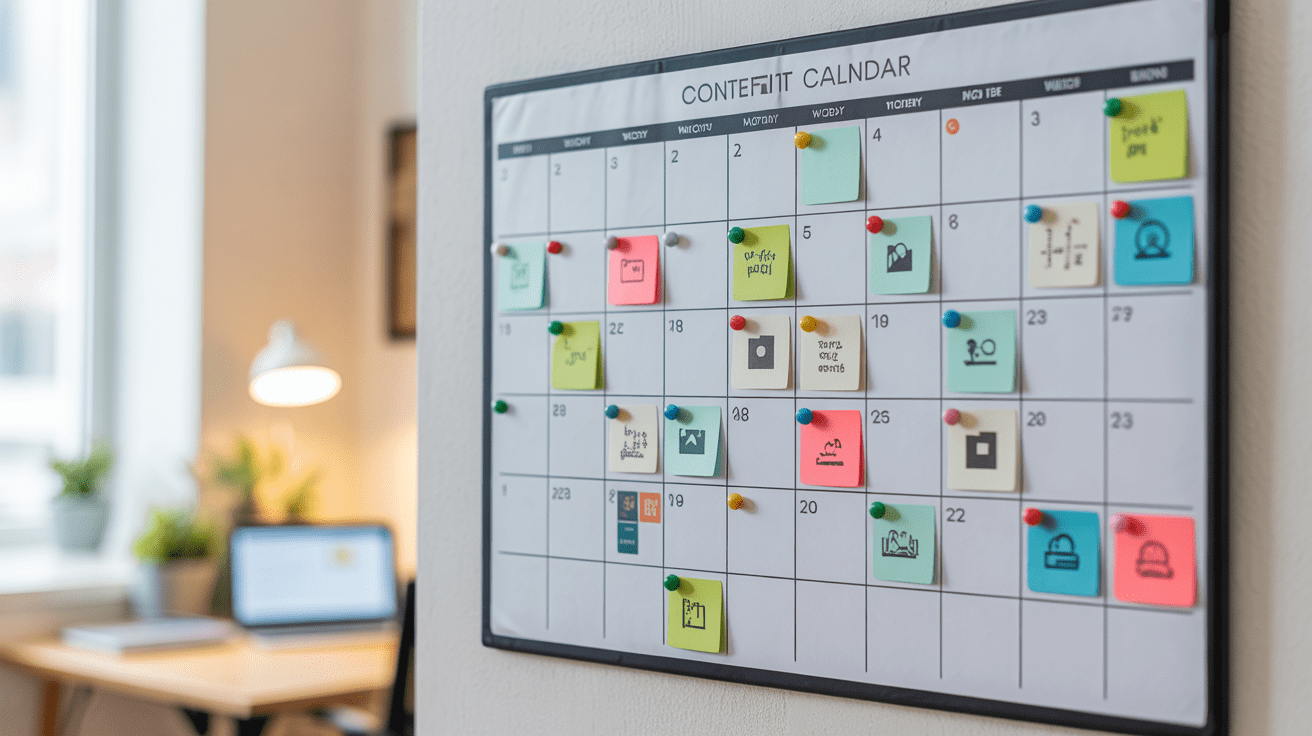
A content calendar is more than just an organizational tool.
For bloggers focused on consistent income growth, it’s a strategic roadmap to create content that delivers value to your audience while driving profits.
Without a clear plan, many bloggers fall into the trap of producing content randomly, missing opportunities to monetize posts effectively or align with promotional efforts.
A well-designed calendar helps you balance creating new content, repurposing old posts, and consistently promoting monetized assets to generate income over time.




When paired with ChatGPT, building a content calendar becomes a streamlined, strategic process.
This AI tool can help you plan valuable content ideas, align them with key monetization opportunities, and schedule consistent promotions to keep your blog profitable.
Whether your blog earns through affiliate links, digital products, or ad revenue, a content calendar ensures your efforts are intentional and targeted, creating a steady flow of traffic and conversions.
Step 1: Define Your Monetization Goals
Before creating a content calendar, you need a clear understanding of how your blog generates income.
Whether it’s through affiliate sales, digital products, display ads, sponsored posts, or a combination of these, your calendar should revolve around content that supports these goals.
Each piece of content you schedule should contribute to growing traffic, building trust with your audience, or leading readers toward monetization opportunities.
For example:
- Affiliate Marketing: Plan product review posts, comparison guides, and resource roundups that include affiliate links.
- Digital Products: Schedule lead-magnet posts, tutorials, or in-depth guides that naturally promote your eBooks, courses, or templates.
- Ad Revenue: Focus on high-traffic evergreen topics to drive consistent page views.
Using ChatGPT to Clarify Goals: ChatGPT can help you align your content calendar with your income streams.
Example Prompt: “I want to build a 3-month content calendar for a survival blog. My main monetization methods are affiliate links and selling a digital eBook. Can you suggest types of posts to focus on?”
ChatGPT Output (Example):
- Affiliate-Focused: Product reviews (e.g., “Top 5 Survival Multi-Tools”), comparison posts (e.g., “Solar Lanterns vs. Flashlights”), and listicles (e.g., “10 Must-Have Items for Emergency Preparedness”).
- Digital Product Promotion: Tutorials (e.g., “Step-by-Step Guide to Building a Bug-Out Bag”), case studies (e.g., “How I Prepared for a Power Outage”), and opt-in posts offering free downloads that lead to your eBook.
This ensures your calendar is focused on income-generating opportunities from the start.
Step 2: Plan Content That Balances Value and Monetization
A successful content calendar balances posts that deliver pure value to your audience with posts that are designed to promote your monetization strategies.
Valuable content builds trust, positions you as an authority, and keeps readers coming back, while monetization-focused content drives direct revenue.
Valuable Content Examples:
- Evergreen how-to guides, tutorials, or beginner-friendly posts that solve common problems.
- Trending or seasonal posts that capture timely interest in your niche.
- Content designed to answer audience questions or address specific pain points.
Monetization-Focused Content Examples:
- Product roundups or reviews that include affiliate links.
- Case studies that highlight how your digital product solves a problem.
- Lead-magnet posts with strong CTAs for email sign-ups.
Using ChatGPT to Balance Content: ChatGPT can generate a mix of valuable and monetization-focused post ideas tailored to your blog’s niche.
Example Prompt: “For a 90-day survival blog content calendar, suggest a mix of valuable posts and monetization-focused posts.”
ChatGPT Output (Example):
- Valuable Post: “How to Store Water for Emergencies” (Evergreen guide).
- Monetization Post: “Top 10 Budget-Friendly Survival Gear Items” (Affiliate links).
- Valuable Post: “Winter Prepping Tips: Staying Warm and Safe” (Seasonal post).
- Monetization Post: “Best Solar Lanterns for Long-Term Use” (Product review with affiliate links).
- Valuable Post: “Common Prepping Mistakes to Avoid” (Pain point solution).
- Monetization Post: “Download Our Emergency Kit Checklist” (Lead magnet promoting your eBook).
Step 3: Schedule Consistent Promotion
In addition to creating new content, your calendar should include time for promoting existing posts, products, and offers.
Consistent promotion ensures that your audience doesn’t miss key monetization opportunities while maximizing the ROI of your efforts.
Promotional Tactics to Include:
- Social Media Campaigns: Repurpose blog posts into social media snippets or graphics to drive traffic.
- Email Newsletters: Share your latest posts or promote digital products directly to your subscribers.
- Cross-Linking: Use internal links to drive readers from new posts to older monetized posts.
Using ChatGPT to Plan Promotions: ChatGPT can suggest promotional strategies for your content calendar.
Example Prompt: “For a post titled ‘Top 10 Budget-Friendly Survival Gear Items,’ suggest a 7-day promotional plan.”
ChatGPT Output (Example):
- Day 1: Share the post on Instagram with a carousel of top items and a link in bio.
- Day 2: Send an email to your list highlighting 3 key items and encouraging readers to check out the full post.
- Day 3: Create a Pinterest graphic featuring “10 Budget-Friendly Survival Items” and link to the post.
- Day 4: Write a Twitter thread about affordable prepping, ending with a link to the post.
- Day 5: Post a short TikTok or Reel highlighting your favorite item from the list and directing viewers to your blog.
- Day 6: Add a link to the post in your next blog update or newsletter roundup.
- Day 7: Run a Facebook poll asking followers about their favorite budget-friendly prepping item, linking back to the post.
Step 4: Align Content With Seasonal and Trending Topics
Seasonal and trending topics are excellent for driving traffic and boosting income during peak times.
For example, a survival blog might see a surge of interest in winter prepping tips or hurricane season preparedness at specific times of the year.
Aligning your calendar with these trends ensures you’re creating content that matches what your audience is actively searching for.
Using ChatGPT to Plan Seasonal Content: ChatGPT can identify seasonal trends and suggest timely content ideas.
Example Prompt: “What are some seasonal topics for a survival blog in winter?”
ChatGPT Output (Example):
- “Winter Survival Gear: What You Need to Stay Safe”
- “How to Prepare for Power Outages During Snowstorms”
- “Best Emergency Foods for Cold Weather”
- “Winter Camping Tips: Staying Warm in Extreme Conditions”
Each of these topics can be monetized through affiliate links, product recommendations, or downloadable guides.
Step 5: Repurpose Content for Consistency
A content calendar doesn’t have to include only new posts. Repurposing existing content is a time-saving way to maintain consistency while expanding your reach.
For example, you can turn an old blog post into a social media campaign, an email sequence, or a downloadable resource.
Using ChatGPT for Repurposing Ideas: ChatGPT can help you identify opportunities to repurpose content across platforms.
Example Prompt: “How can I repurpose the blog post ‘How to Store Water for Emergencies’ into other formats?”
ChatGPT Output (Example):
- Turn the key points into a step-by-step infographic.
- Create a Pinterest graphic with a link to the post.
- Write a 3-part email sequence on water storage tips.
- Film a short TikTok or Instagram Reel highlighting quick tips.
Step 6: Monitor and Adjust Your Calendar
Even the best content calendar needs flexibility. Use analytics to monitor the performance of your posts, promotions, and monetization efforts.
If a specific type of post performs well, schedule more similar content. If a monetization tactic underperforms, experiment with alternatives.
Using ChatGPT for Performance Analysis: ChatGPT can suggest adjustments based on your analytics data.
Example Prompt: “My product review posts are getting traffic but few affiliate clicks. How can I improve their performance?”
ChatGPT Output (Example):
- Add more detailed product comparisons to build trust.
- Include testimonials or user reviews for each product.
- Strengthen your CTAs with urgency (e.g., “Limited-time deals available now!”).
- Highlight the benefits of each product in bullet points for easier scanning.
A content calendar designed for consistent income growth doesn’t just plan what you’ll post—it aligns your content with your audience’s needs and your monetization goals.
By combining valuable posts with monetized content and scheduling regular promotions, you create a steady flow of traffic and conversions.
With ChatGPT, building and maintaining this calendar becomes faster and more efficient, allowing you to focus on growing your blog into a reliable income source.
With the right strategy, every piece of content you create can work toward increasing your blog’s profitability.