Challenge 26: Leveraging AI for Blog Task Delegation and Consistent Income
Managing a blog involves a long list of repetitive tasks, from content creation and editing to SEO optimization, social media posting, and responding to comments.
These essential but time-consuming activities can leave you with little bandwidth to focus on strategies that drive real growth and revenue.
If you’re spending more time on maintenance than monetization, it’s time to rethink how you work.
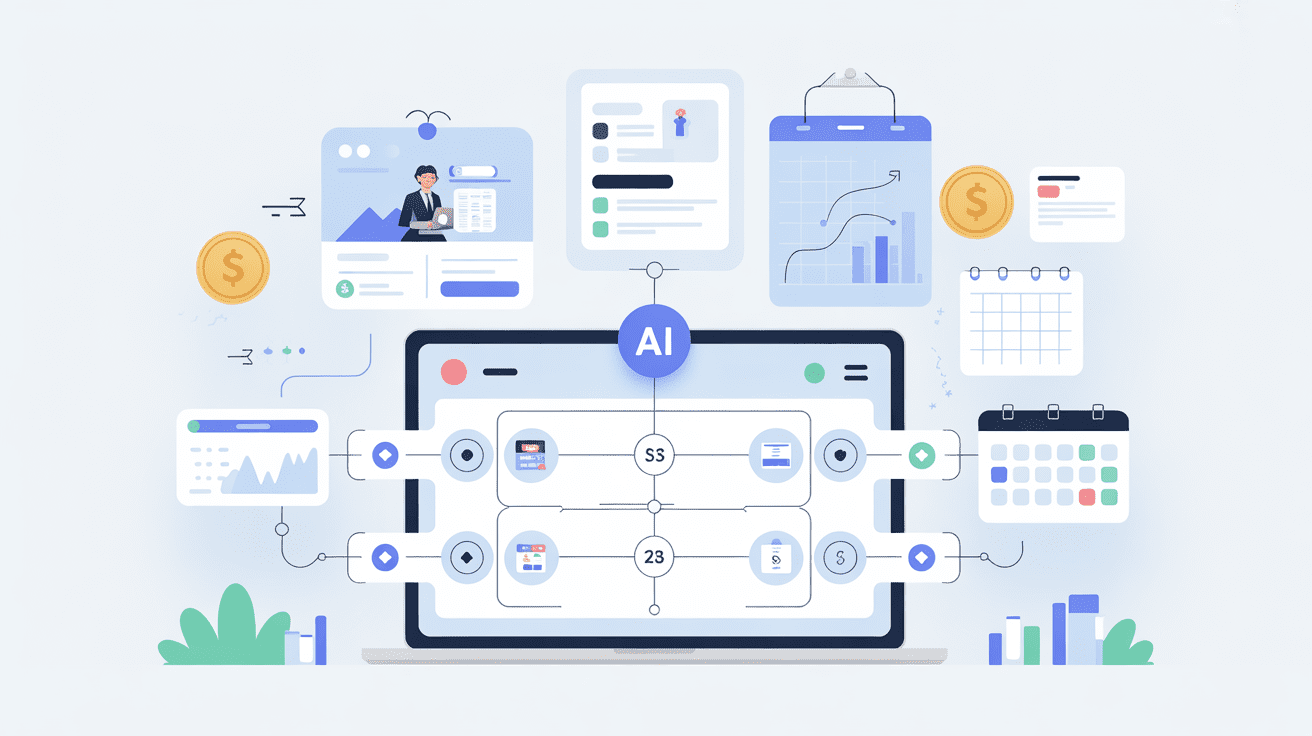
AI tools can take over many of these repetitive tasks, freeing up your time for high-impact activities like creating new products, building partnerships, and planning for growth.
By delegating tasks to AI, you’re not just saving time—you’re creating a system that ensures consistent quality and output while scaling your efforts.
The more efficiently your blog runs, the more opportunities you have to increase profits and grow your brand.
This challenge focuses on how to leverage AI for blog task delegation, from generating ideas and editing content to scheduling posts and analyzing performance.
By automating the routine, you can redirect your energy to strategic activities that expand your audience, improve monetization, and build a sustainable, income-generating blog.
The key isn’t to work harder—it’s to work smarter, using AI to take your blog to the next level.
Step 1: Identify Repetitive Tasks to Automate
Your first step is identifying tasks that consume time but don’t require high-level decision-making or creativity. Examples include:
- Content Tasks:
- Generating blog post ideas and outlines.
- Writing first drafts or editing for grammar and style.
- SEO and Optimization:
- Conducting keyword research.
- Optimizing meta descriptions, alt tags, and headers.
- Social Media Management:
- Scheduling posts.
- Repurposing blog content into social media snippets.
- Engagement Management:
- Responding to frequently asked questions in comments.
- Drafting email responses or outreach templates.
Step 2: Use AI for Content Creation and Editing
AI tools like ChatGPT can streamline your content pipeline, making it easier to maintain a steady publishing schedule. For example:
- Use AI to brainstorm blog topics based on your niche and audience interests.
- Generate outlines or rough drafts to speed up your writing process.
- Optimize your drafts for readability, grammar, and SEO before publishing.
Example Prompt for AI: “Suggest 5 blog post ideas for a beginner prepping blog that focuses on budget-friendly strategies.”
Output:
- “How to Build a 72-Hour Kit for Under $50.”
- “The Best Places to Find Prepping Supplies on a Budget.”
- “5 DIY Prepping Hacks to Save Money and Stay Prepared.”
Step 3: Automate SEO and Keyword Research
SEO optimization can be tedious, but it’s essential for driving traffic. AI tools like ChatGPT or keyword-specific platforms can make this easier by:
- Identifying long-tail keywords to target.
- Optimizing existing posts by suggesting better meta descriptions, headers, and internal linking opportunities.
- Analyzing competitors’ content to find gaps you can fill.
Example Prompt for AI: “Analyze this blog post for SEO improvements: [Insert text]. Suggest keyword placements and better meta descriptions.”
Step 4: Delegate Social Media Content
AI can help you repurpose blog posts into engaging social media content to drive traffic and engagement. Use AI to:
- Summarize posts into short, shareable snippets for platforms like Twitter or Instagram.
- Draft social captions tailored to your audience.
- Create a posting schedule to ensure consistent activity.
Example Prompt for AI: “Write a Twitter thread summarizing my blog post, ‘10 Must-Have Prepping Tools for Beginners.’”
Output:
- “Prepping can feel overwhelming, but having the right tools makes it easy! 🛠️ Here are 10 must-have prepping tools for every beginner. 🧵”
- (Thread continues with tips from the blog post, ending with a CTA to visit your site.)
Step 5: Streamline Engagement with AI
Engaging with readers builds trust and loyalty, but it can also eat into your day. AI tools can help by:
- Drafting responses to common questions in blog comments or emails.
- Suggesting outreach templates for collaborations or guest blogging opportunities.
- Creating automated email sequences for lead magnets or sales funnels.
Example Prompt for AI: “Draft a friendly email response to a reader asking, ‘What’s the best prepping kit for a beginner?’”
Output:
“Hi [Reader Name],
Thanks for reaching out! For beginners, I recommend starting with a simple 72-hour emergency kit. You can build your own or buy a pre-made one online. I’ve also written a blog post about this here: [Insert link]. Feel free to check it out, and let me know if you have more questions!”
Step 6: Use AI for Analytics and Optimization
AI-powered tools can analyze your blog performance and suggest areas for improvement. Focus on metrics like traffic, engagement, and conversions to refine your strategies.
- Track which posts drive the most traffic and revenue.
- Use insights to adjust CTAs, headlines, or product offerings.
- Automate weekly or monthly performance reports to stay informed.
Example Prompt for AI: “Analyze my blog’s traffic data for the past month. Which posts are performing best, and how can I optimize them for conversions?”
Output:
- Suggest placing affiliate CTAs higher in your top-performing posts.
- Recommend adding internal links to underperforming but related content.
Step 7: Free Up Time for Strategic Growth
With AI handling repetitive tasks, you can focus on high-impact activities that drive growth, such as:
- Developing new monetization strategies: Launching premium products or services.
- Building partnerships: Collaborating with brands for sponsored content or affiliate deals.
- Scaling your audience: Investing in paid ads or expanding your reach to new platforms.
Delegating blog tasks to AI tools isn’t just about saving time—it’s about creating a system that ensures consistency and quality while freeing you to focus on scaling your blog and maximizing revenue.
The more you streamline repetitive activities, the more energy you’ll have to plan and execute strategies that grow your audience and income.
By embracing AI for blog management, you can turn your blog into a sustainable and scalable business without burning out.