Challenge 11: Internal Linking Strategy That Leads to More Profits
An internal linking strategy is one of the most underrated methods for driving blog profits.
Many bloggers focus exclusively on external backlinks, believing that’s the only way to boost SEO and traffic.
While external links are important, internal links are just as powerful—if not more so—when it comes to building authority, improving site structure, and, most importantly, monetizing your content.
Internal links guide your readers from one piece of content to another within your blog.
By strategically linking high-traffic posts to monetized ones or adding links to cornerstone content like product reviews or guides, you create pathways that funnel readers toward your profit-generating pages.
With tools like ChatGPT, you can identify logical places to add internal links, create engaging anchor texts, and ensure your strategy supports both SEO and monetization goals.
When done right, an internal linking strategy improves your blog’s profitability in three key ways: increasing page views (and ad revenue), boosting affiliate clicks, and directing readers toward product pages or lead magnets.
By connecting your content through meaningful links, you keep readers on your site longer, expose them to more monetization opportunities, and make it easier for search engines to understand your blog’s structure.
Step 1: Understand the Role of Internal Linking in Monetization
Internal linking does more than improve SEO. It plays a direct role in helping you monetize your blog by connecting high-traffic pages with those designed to convert readers into customers.
For example, if you have an informational post like “How to Prepare for Power Outages” that attracts a lot of organic traffic, internal links within that post can lead readers to monetized pages, such as:
- A product roundup titled “Best Emergency Generators for Home Use” with affiliate links.
- A lead magnet page offering a downloadable checklist in exchange for an email opt-in.
- A digital product page for your eBook, “The Complete Emergency Preparedness Guide.”
By strategically placing internal links, you guide readers toward these profit-generating pages without being overly pushy.
Step 2: Use ChatGPT to Identify Logical Linking Opportunities
One of the biggest challenges with internal linking is knowing where to place links naturally so they feel like an integral part of your content.
ChatGPT can analyze your blog posts and suggest logical places for internal links based on context and relevance.
Using ChatGPT for Linking Opportunities: ChatGPT can read your blog posts and recommend where to include links, ensuring they fit seamlessly into the content.
Example Prompt: “Analyze this blog post titled ‘How to Prepare for Power Outages’ and suggest three logical internal linking opportunities to other posts on my survival blog.”
ChatGPT Output (Example):
- Anchor Text: “Learn more about emergency lighting options.”
Internal Link: To a post titled “Top 5 Solar-Powered Lanterns for Emergencies.” - Anchor Text: “Stocking up on the right supplies is essential.”
Internal Link: To a post titled “10 Must-Have Items for Emergency Preparedness.” - Anchor Text: “Discover the best generators for long-term power outages.”
Internal Link: To a post titled “Best Emergency Generators for Home Use.”
These links not only provide additional value to readers but also drive traffic to monetized pages like product reviews or affiliate-heavy posts.
Step 3: Create Enticing Anchor Texts That Drive Engagement
The effectiveness of an internal link depends on the anchor text—the clickable words that direct readers to another page.
Anchor texts should be specific, engaging, and relevant to the linked content.
Vague phrases like “click here” or “read more” don’t inspire action, while descriptive phrases like “10 survival tools every beginner needs” encourage readers to click.
Using ChatGPT to Write Anchor Texts: ChatGPT can generate compelling anchor texts tailored to your content and audience.
Example Prompt: “Suggest three engaging anchor texts for linking to a post about ‘Top 10 Emergency Supplies for Beginners.’”
ChatGPT Output (Example):
- “Explore our must-have emergency supplies for any situation.”
- “Find out which survival items every beginner needs.”
- “Prepare your family with these essential survival tools.”
These anchor texts not only tell readers exactly what they’ll find when they click but also create curiosity and drive engagement.
Step 4: Link High-Traffic Pages to Monetized Posts
Not all blog posts are created equal. Some attract significant traffic but aren’t directly monetized, while others are designed to generate revenue but lack visibility.
The key is connecting these two types of posts through internal linking.
For example, if you have a high-traffic informational post like “How to Store Water for Emergencies,” you can add internal links to monetized posts such as:
- A roundup titled “Best Water Storage Containers for Preppers” with affiliate links.
- A product review post like “Top 5 Portable Water Filters.”
- A lead magnet page offering a free guide on water storage in exchange for an email opt-in.
Using ChatGPT to Identify High-Traffic Posts: ChatGPT can help you prioritize your high-traffic pages and suggest monetization opportunities.
Example Prompt: “Here are three high-traffic blog posts on my survival blog: [list of posts]. Suggest internal links to monetized posts for each one.”
ChatGPT Output (Example):
- Post: “How to Store Water for Emergencies”
Link to: “Best Water Storage Containers for Preppers” (affiliate links).
Anchor Text: “Check out the best containers for storing water long-term.” - Post: “Emergency Lighting Options for Power Outages”
Link to: “Top Solar-Powered Flashlights Reviewed” (affiliate links).
Anchor Text: “Discover the top-rated solar-powered flashlights.” - Post: “Beginner’s Guide to Prepping”
Link to: “Download Our Free Emergency Preparedness Checklist” (lead magnet).
Anchor Text: “Get our free checklist to start prepping today.”
Step 5: Build Pillar and Cluster Links
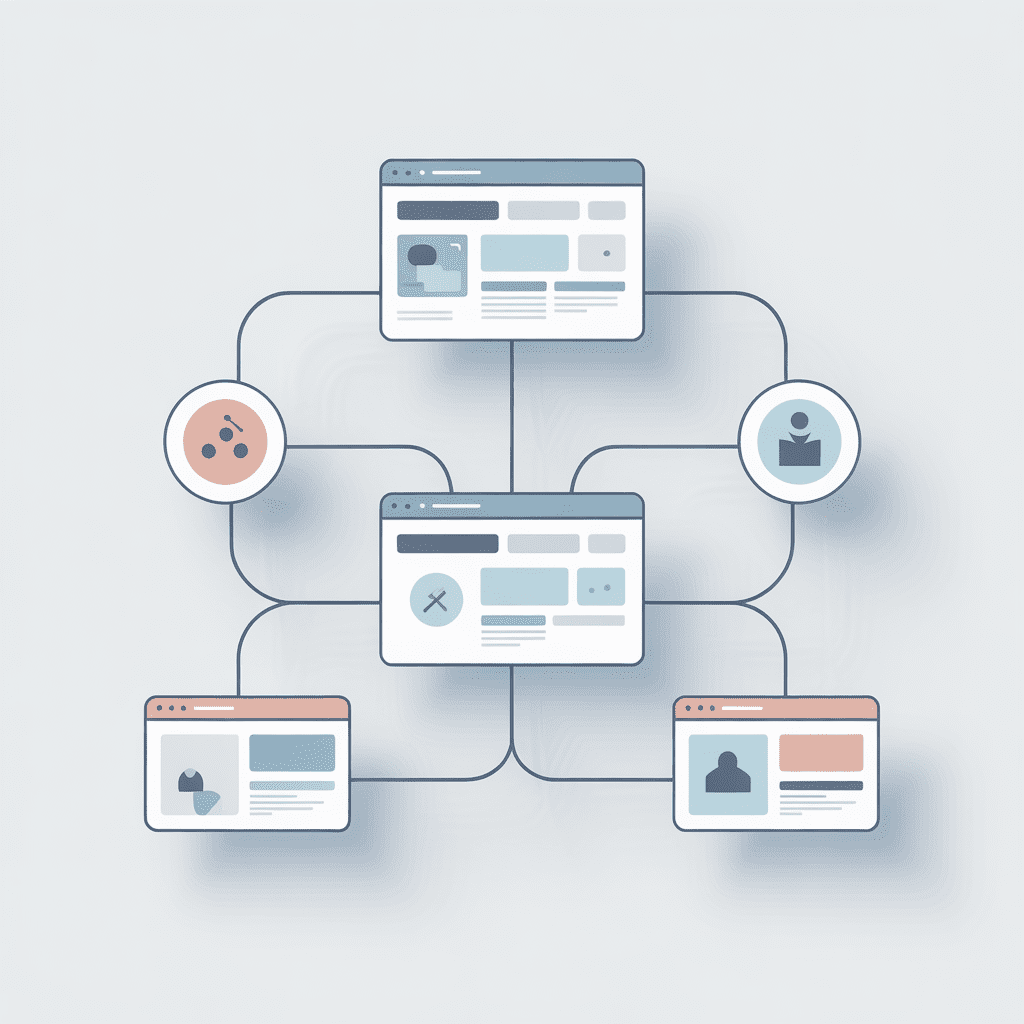
Internal linking also strengthens your site’s overall structure by connecting pillar posts to cluster content.
Pillar posts are high-value, authoritative pieces that serve as the centerpiece of a topic, while cluster posts explore related subtopics.
Linking cluster posts to the pillar ensures that readers—and search engines—understand the relationship between the content.
For example, if your pillar post is “The Ultimate Guide to Emergency Preparedness,” cluster posts like “How to Pack a Bug-Out Bag” and “Top 10 Survival Tools for Beginners” should link back to it.
Using ChatGPT to Map Links: ChatGPT can create an internal linking map for your pillar and cluster content.
Example Prompt: “My pillar post is ‘The Ultimate Guide to Emergency Preparedness.’ Suggest internal links from related cluster posts to this pillar.”
ChatGPT Output (Example):
- From “How to Pack a Bug-Out Bag”:
Anchor Text: “Read our comprehensive guide to emergency preparedness for a complete checklist.” - From “Top 10 Survival Tools for Beginners”:
Anchor Text: “Learn how these tools fit into a larger emergency plan in our ultimate guide.” - From “Essential Food Storage Tips for Preppers”:
Anchor Text: “Discover how food storage fits into your overall preparedness strategy.”
These links drive traffic to your authoritative pillar post, increasing its visibility and monetization potential.
Step 6: Boost Ad Revenue Through Increased Page Views
Internal links encourage readers to explore more of your content, increasing their time on site and the number of pages they view.
For bloggers who monetize through display ads, this directly translates to higher earnings.
The more pages a reader visits, the more ads they see—and the more revenue you earn.
Using ChatGPT to Plan Cross-Links: ChatGPT can suggest additional links to keep readers moving through your content.
Example Prompt: “For a post titled ‘Best Survival Foods for Long-Term Storage,’ suggest internal links to other posts that increase page views.”
ChatGPT Output (Example):
- Link to “How to Store Water for Emergencies” with anchor text: “Don’t forget water—learn how to store it safely.”
- Link to “Budget-Friendly Survival Gear” with anchor text: “Prep without breaking the bank—check out these affordable tools.”
- Link to “Step-by-Step Guide to Building an Emergency Kit” with anchor text: “Get a full guide to building your emergency kit.”
An internal linking strategy isn’t just about improving SEO—it’s a direct pathway to more profits.
By guiding readers to monetized pages, increasing page views, and building a clear content structure, you maximize your blog’s earning potential.
With ChatGPT, you can streamline the process by identifying linking opportunities, creating enticing anchor texts, and mapping out a strategy that supports both engagement and revenue.
With the right internal links in place, your blog becomes a well-connected ecosystem where every page works together to drive profits.